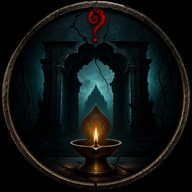
The Ultimate Rahasya Horror Game Guide: Survive the Cursed Haveli
Master the shadows with our Rahasya horror game guide. Learn to outsmart the adaptive AI, solve ancient puzzles, and survive the cursed Indian haveli.
Entering the world of Indian survival horror requires more than just quick reflexes; it demands a deep understanding of psychological tension and environmental storytelling. This Rahasya horror game guide is designed to help you navigate the suffocating atmosphere of a 1992 ancestral estate where the walls truly have ears. If you want to uncover the truth behind your forgotten bloodline without becoming a permanent resident of the ruins, following a comprehensive Rahasya horror game guide is your only hope for survival.
Understanding the Narrative: The Mystery of the Deccan Plateau
Set against the rugged backdrop of the Deccan plateau, Rahasya (which translates to "Secret" in Sanskrit) follows the journey of an archaeologist named Aryan. After years of separation, Aryan returns to reclaim a family haveli that has been sealed for decades following a dark, half-forgotten incident. The game is less about jump scares and more about a "cinematic mystery thriller" experience, where the environment serves as the primary storyteller.
According to the developers at SuperHorizon Studios, the game focuses on a "descent into obsession." As you explore the interconnected rooms, you aren't just looking for keys; you are uncovering a conspiracy that spans centuries. The lore is deeply rooted in Indian mythology and ancient inscriptions that predate known civilizations. This isn't just a haunted house; it is a repository of forbidden knowledge that was never meant to be rediscovered.
Survival Mechanics: Outsmarting the Adaptive Entity
The most terrifying aspect of Rahasya is the entity that stalks the halls. Unlike traditional horror games where monsters follow a "patrol route," this entity is reactive. It listens to your footsteps, watches your movement patterns, and learns your habits. If you consistently use the same hallway to travel between the courtyard and the library, the entity will eventually realize this and set an ambush.
There is no combat in Rahasya. You cannot fight the darkness; you can only delay it or hide from it. Community reports from early demo players suggest that the entity's aggression scales with your progress. The longer you survive and the more puzzles you solve, the more relentless the haunting becomes.
The Learning AI System
The AI is designed to punish predictability. Player experience suggests that varying your routes is the single most important survival tactic. If you run through the house making noise, you will draw the entity's attention immediately. Conversely, moving too slowly might leave you trapped in a room with no exit when the entity decides to investigate.
Puzzle Design: Logic Rooted in Ancient History
Progression in this game is gated by environmental puzzles that require keen observation. This Rahasya horror game guide emphasizes that there is "no hand-holding" here. You won't find glowing waypoints or a quest log telling you exactly where to go. Instead, you must rely on the "Investigation System" to collect evidence, analyze clues, and build a case for how to proceed.
The puzzles are uniquely themed around real Indian mathematics and astronomy. You will encounter rotating disk locks, cryptographic ciphers, and ritual components that must be placed in a specific order based on lunar cycles or historical dates.
Common Puzzle Types
- Rotating Disk Locks: These often require aligning symbols found in hidden inscriptions throughout the haveli.
- Ritual Objects: You must find specific items—often tied to the family’s bloodline—and place them in ritual areas to cleanse rooms or unlock new passages.
- Symbolic Clues: Look at the paintings and the architecture. Often, the solution to a locked trunk is hidden in plain sight on the walls of the same room.
- Item-Based Exploration: Certain areas are only accessible once you have found a specific tool or historical artifact that allows Aryan to interact with the environment.
Navigating the Haveli: Key Locations and Secrets
The haveli is an interconnected maze of courtyards, underground passages, and hidden rooms. Because the game features a "Limited Survival" system, every decision on where to go next carries significant weight. There is no manual save system to erase your mistakes. If you fail an escape or make a wrong turn during a chase, you lose progress.
The Core Areas
- The Courtyard: Often serves as a central hub. It feels open, but the lack of cover makes you vulnerable to the entity's gaze.
- The Library: A treasure trove of lore. This is where you will find the bulk of the "Living World Lore," including books and whispered conversations that explain the haveli's history.
- Underground Passages: These are cramped and dark. While they offer shortcuts between different wings of the house, they are also the hardest areas to escape from if the entity finds you.
- Ritual Areas: These are the only places where you can make significant progress toward the ending, but entering them often triggers a heightened state of haunting.
Technical Specifications and Performance
To fully appreciate the "Cinematic Visuals" built on the Unity HDRP pipeline, you need a system that can handle the dynamic global illumination. The shadows and firelight are not just for atmosphere; they are gameplay elements that can hide clues or reveal the entity's silhouette.
According to the official SuperHorizon Studios site, the game is optimized for modern Windows systems but remains accessible for mid-range hardware.
System Requirements
Advanced Strategies for Completion
For those looking to achieve one of the four radically different endings, this Rahasya horror game guide suggests paying close attention to the "Choice & Consequence" system. Your moral compass—determined by how you interact with the environment and the decisions you make during key story beats—will dictate Aryan's fate.
Player Experience Tips
- Listen to the Audio: The game features a full orchestral score that blends with ambient sound. The music is dynamic; if the tempo shifts or the instruments become discordant, the entity is likely nearby.
- Manage Your Light: While you need light to see clues, it also makes you a beacon for the entity. Learning when to sit in total darkness is a vital skill.
- Don't Hoard Items: Because item placement can change between runs, use what you have when you have it. Holding onto a ritual component for too long might prevent you from picking up a vital clue later.
- Observe the Entity: If you are hidden, watch how the entity moves. Does it linger near certain doors? Does it react to the flickering of your light? Understanding its "personality" in your specific run is key to outmaneuvering it.
The Role of AI in Development
In the interest of transparency, the developers have disclosed the use of AI-generated content within the game. This primarily assists in creating the vast amounts of "Living World Lore" and potentially enhancing the reactive nature of the entity's learning algorithms. This allows a small indie team like SuperHorizon Studios to create a lore-rich world that rivals AAA productions in depth and complexity.
Conclusion: Embracing the Mystery
Rahasya is more than just a survival horror game; it is a cultural deep-dive into the fears and mysteries of the Indian subcontinent. By following this Rahasya horror game guide, you are better equipped to handle the psychological pressure of the haveli. Remember that the house knows you are inside, and every secret you uncover comes with a price. Stay quiet, stay observant, and never take the same path twice.
Whether you are an achievement hunter looking to unlock all 17 Steam achievements or a lore enthusiast trying to piece together the history of the Deccan plateau, the journey through the haveli will leave a lasting mark. The darkness is waiting—will you emerge with the truth, or will you become part of the haveli's forgotten history?
Frequently Asked Questions
Is there combat in the Rahasya horror game?
No, there is no combat in the game. You cannot fight the entity hunting you. Survival depends on stealth, puzzle-solving, and outsmarting the adaptive AI that learns your habits. This Rahasya horror game guide recommends focusing on environmental awareness rather than looking for weapons.
How many endings does Rahasya have?
The game features four radically different endings. These endings are determined by your "moral compass," which is shaped by the choices you make, the dialogues you choose, and how you interact with the ancient ruins and rituals throughout the story.
Does the game support manual saving?
Rahasya utilizes a "Limited Survival" system, meaning there is no traditional manual save system. Every decision carries weight, and a failed escape can result in significant loss of progress. This design choice is intended to make the player feel truly trapped and responsible for their actions.
What are the main puzzle types in the game?
The puzzles are rooted in Indian mathematics, astronomy, and mythology. Players will encounter rotating disk locks, symbolic clues hidden in the architecture, and complex ritual-based tasks that require collecting specific artifacts from around the haveli. No direct instructions are given, requiring players to use their observation skills.
Related guides
Rahasya Beginner Guide: Survival Tips for the Cursed Indian Haveli
Master the horrors of the ancestral haveli with our Rahasya beginner guide. Learn to outsmart the adaptive AI, solve ritual puzzles, and survive.
Rahasya Demo Guide: How to Survive the Terrifying Indian Haveli
Master the puzzles and survive the adaptive AI with our comprehensive Rahasya demo guide. Learn layout secrets, entity counters, and system specs.
The Ultimate Rahasya Guide: Survival Tips for the Cursed Haveli
Master the adaptive AI and solve ancient ritual puzzles with our comprehensive Rahasya guide. Survive the cursed Indian haveli and uncover your bloodline.