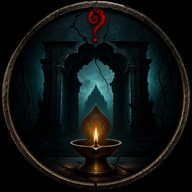
Rahasya Mystery Explained: Haveli Secrets, Aryan's Obsession, and the True Lore Behind the Horror
Unravel the deep lore of Rahasya (2026). Discover the secrets of the ancestral haveli, Aryan's archaeological obsession, and all multiple endings explained.
SuperHorizon Studios has delivered a masterclass in atmospheric storytelling, leaving players with a complex web of ancient secrets, ancestral curses, and psychological dread to unravel. With the release of this psychological thriller, players are diving headfirst into a dark world of ancient rituals and adaptive terrors to get the Rahasya mystery explained. Whether you are struggling to survive the haunted corridors of the 1992 ancestral haveli or trying to decipher Aryan's archaeological discoveries on the Deccan plateau, having the Rahasya mystery explained is key to understanding this complex, dual-layered narrative.
Decoding the Dual Narrative: Haveli Horror vs. Archaeological Expedition
When analyzing the Rahasya mystery explained within the game's lore, it is crucial to recognize that the game operates on two deeply interconnected narrative tracks. On one hand, you have the immediate survival horror of a protagonist returning to their ancestral haveli in 1992. On the other hand, the lore stretches back millennia into the Deccan plateau, where an archaeologist named Aryan uncovers an impossible inscription written in a language that predates all known civilizations.
According to developer logs and the official site, these two stories are not separate. Instead, they represent the micro and macro scales of the same ancient curse. The "secret" (which translates to Rahasya in Sanskrit) connects a forgotten bloodline directly to a civilization that predates recorded history.
Player discussions often suggest that the transitions between these two perspectives highlight how the protagonist’s family was originally tasked with guarding the ancient ruins of the Deccan plateau. When the family abandoned their sacred duty and sealed the haveli, they trapped an ancient entity inside, setting the stage for the 1992 haunting.
The Cursed Haveli: Bloodline Duty and the Adaptive Entity
The 1992 timeline begins with the protagonist reclaiming their family’s ancestral estate, which has been locked away for decades following a dark, half-forgotten incident. The moment you step inside, you realize the house is not empty. An ancient entity, central to the Rahasya mystery explained, stalks the halls.
What makes this entity terrifying is its adaptive AI. It does not follow scripted patrol paths. Instead, it listens to your footsteps, tracks the noise you make, remembers the hiding spots you use, and dynamically alters its hunting patterns. If you consistently use the same hallway to escape, the entity will eventually anticipate your route and ambush you.
This reactive AI creates an overwhelming sense of tension. The longer you survive, the more aggressive and intelligent the entity becomes. In player experiences, this mechanic serves as a metaphor for the inescapable nature of the family's past sins. You cannot fight this creature; you can only observe, adapt, and complete the ancient rituals necessary to appease it.
Aryan’s Obsession and the Deccan Inscriptions
To understand the origin of the curse, we must look at the archaeological side of the story. Aryan’s discovery of a pre-civilizational inscription on the Deccan plateau is a crucial piece of the Rahasya mystery explained. The language used in these glyphs predates Sanskrit by thousands of years, suggesting that a highly advanced, forgotten civilization once ruled the Indian subcontinent.
As Aryan translates the inscriptions, he descends into a deep psychological obsession. The text warns of a boundary between the human world and an ancient, chaotic force. The protagonist's ancestors were the original guardians of this boundary, using the haveli as a physical seal to keep the entity contained.
The puzzles in the game are directly rooted in real Indian mathematics and astronomy, reflecting the advanced knowledge of this ancient civilization. Players must solve cryptographic ciphers, align astronomical symbols, and manipulate rotating disk locks to progress.
By solving these puzzles, players slowly reconstruct Aryan's research. This system ensures that the environment itself tells the story. If you rush through the game without examining the books, artifacts, and whispered conversations, you will miss the vital context needed to understand the true nature of the curse.
Rahasya Endings Explained: Choice and Consequence
The climax of the game brings us to the heart of the Rahasya mystery explained. Because Rahasya features a branching narrative with four distinct endings, your choices throughout the investigation and survival segments will dictate the fate of the bloodline.
There is no manual save system to bail you out of poor decisions. Every dialogue choice, every puzzle solved, and even the clues you fail to find will cascade into the final acts of the story. Based on community playthroughs and official developer disclosures, the multiple endings represent different moral alignments and understandings of the ancient secret.
Achieving the "Guardian's Duty" ending requires a deep understanding of the family's history. Players must locate hidden rooms and use ritual objects scattered across the interconnected haveli. This ending reveals that the entity was never a mindless monster, but a guardian force corrupted by the family's abandonment of their ancestral vows.
Gameplay Tips for Unlocking the True Lore
To fully grasp the Rahasya mystery explained, you must survive long enough to piece together the scattered clues. Because the game features limited survival chances and randomized item placements, each run requires a tactical approach. Here are several essential tips to help you survive the haveli and uncover all of its secrets:
- Vary Your Survival Routes: Do not rely on the same hiding spots or hallways. The adaptive AI will notice your habits and position itself to cut off your escape.
- Prioritize Observation Over Speed: Many puzzles do not give direct instructions. Examine the paintings, read the family letters, and look for subtle marks on the walls to find solutions.
- Listen to the Dynamic Audio: The game's orchestral score and ambient sound design change dynamically. A sudden shift in the music or the sound of floorboards creaking nearby is your cue to hide immediately.
- Keep Track of What You Miss: The game's investigation system tracks the clues you find, but it also notes when you have overlooked critical information. Revisit locked rooms once you obtain new keys or puzzle components.
For those ready to experience this terrifying descent into ancient mythology and survival horror, you can purchase the game directly on the Rahasya on Steam page. To ensure your PC can handle the atmospheric global illumination and real-time shadows, refer to the system requirements below.
Rahasya Mystery Explained: Frequently Asked Questions
What is the ultimate truth behind the Rahasya mystery explained in the game?
The ultimate truth is that the protagonist's family was part of an ancient lineage of guardians tasked with keeping a powerful, pre-civilizational entity sealed beneath the Deccan plateau. When the family abandoned their duty in the mid-20th century and sealed the ancestral haveli, the entity became corrupted by anger and trapped inside. The 1992 haunting is the entity's attempt to force the last surviving descendant to either reclaim their ancestral vows or face complete destruction.
Who is Aryan, and how does he relate to the haveli?
Aryan is an archaeologist who discovered ancient, pre-Sanskrit inscriptions on the Deccan plateau. His research into this forgotten civilization revealed the existence of the entity and the secret role the protagonist's family played in keeping it contained. Aryan's descent into obsession serves as a warning of what happens when one tries to understand the ancient secret without accepting the spiritual responsibility that comes with it.
How does the adaptive AI affect the story endings?
While the adaptive AI primarily impacts gameplay tension and survival difficulty, it also directly influences which ending you receive. If the AI catches you too many times, you will lose your limited survival chances, leading directly to "The Sealed Fate" ending. Successfully evading the AI's evolving tactics is required to reach the deeper areas of the haveli where the redemption and truth endings are unlocked.
Is Rahasya based on a real historical mystery?
While the game is a work of fiction, the developers at SuperHorizon Studios drew heavy inspiration from real Indian mythology, unsolved archaeological mysteries, and ancient Indian mathematics and astronomy. The setting of the Deccan plateau and the use of astronomical alignments in the puzzles ground the supernatural story in authentic cultural history.
Related guides
Surviving the Unseen: Why the Rahasya Devlog is Redefining Indian Horror Games
Explore the secrets of Rahasya, a cinematic horror game set in a 1992 Indian haveli. Dive into the Rahasya devlog for insights on AI and immersion.
Unraveling the Rahasya Story: Lore, Endings, and Haveli Secrets Explained
Dive deep into the Rahasya story. Uncover the secrets of the cursed 1992 haveli, the ancient Deccan plateau inscriptions, and all four game endings.
Unveiling the Rahasya 1990s Indian Horror Story: A New Era of Adaptive Terror
Explore Rahasya, the 1990s Indian horror story set in a cursed haveli. Learn about its adaptive AI, deep lore, and survival mechanics.